3 hr
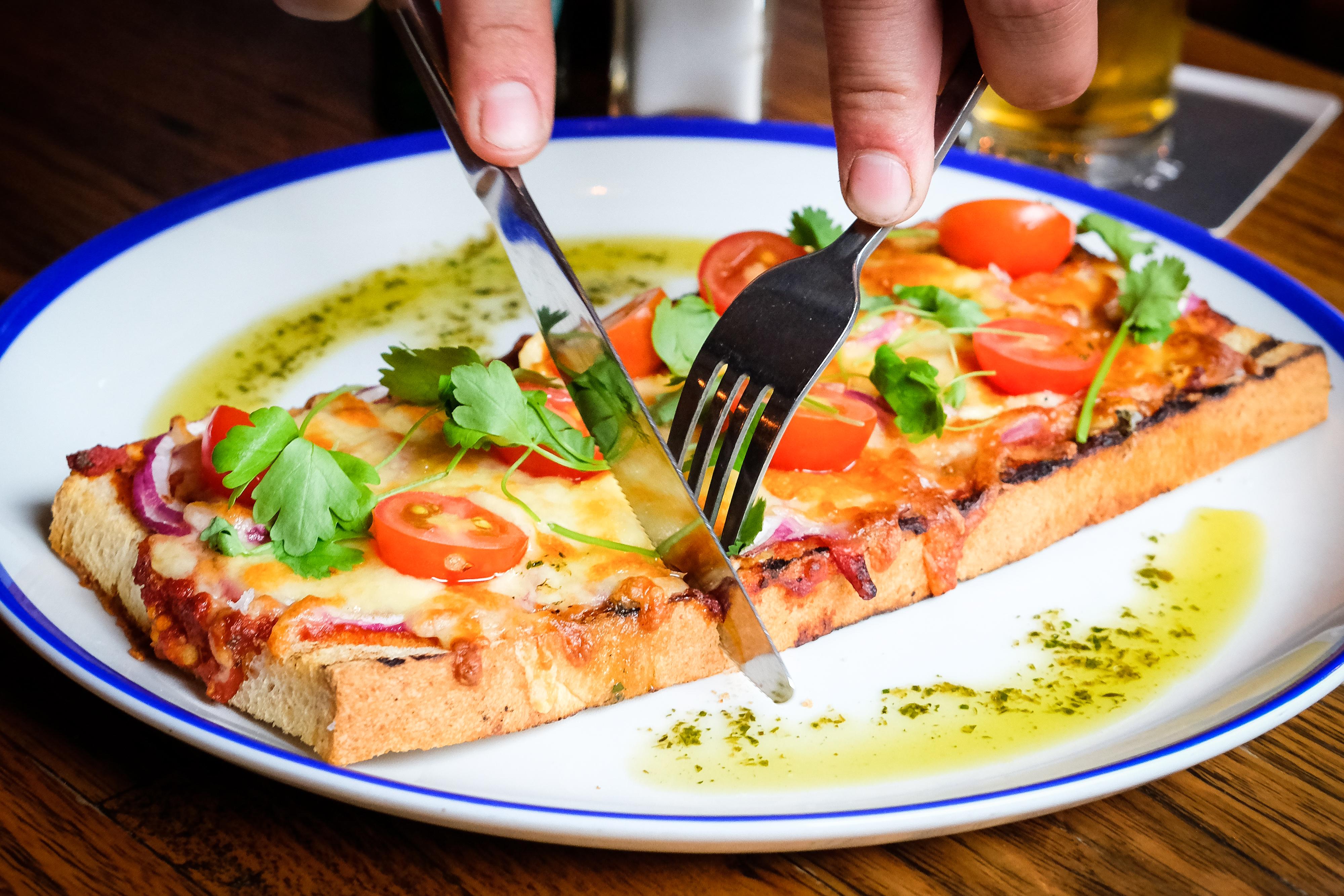
Melbourne Foodie Discovery Walking Tour
Explore Melbourne's laneways while tasting coffee, dumplings, sweets, and local favorites
Reserve
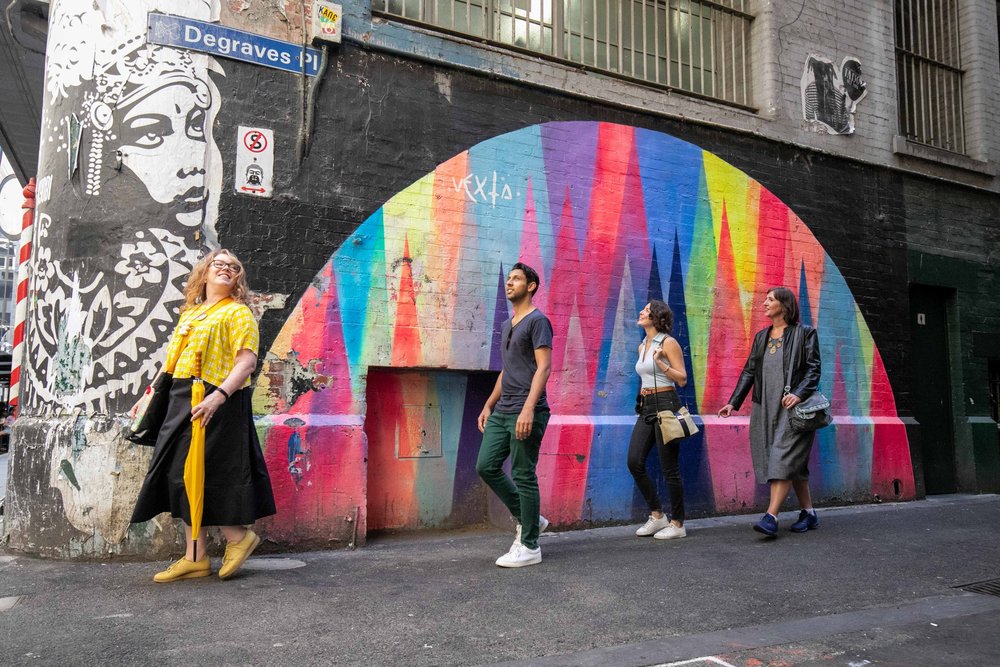
Follow the coffee trail through hidden arcades, taste what locals queue for at dawn.
Hand-picked by our editors — only the best 6 culinary experiences from 23 reviewed.
Verified partners for Melbourne Food tours, free cancellation where available, and instant confirmation on every booking.
3 hr
Explore Melbourne's laneways while tasting coffee, dumplings, sweets, and local favorites
Reserve
2 hr 30 min
Discover the city's past through landmarks, laneways, and gourmet donut tastings on a 2.5-hour stroll.
Reserve
3 hr
Eat your way through Melbourne's hidden food scene with a local guide and 4–6 handpicked tastings
ReservePrices from verified partners. Availability updates in real time at checkout. Free cancellation policies apply where shown.
The landmarks, rooms, and views travelers on Melbourne Food tours remember — all visible on a single visit.
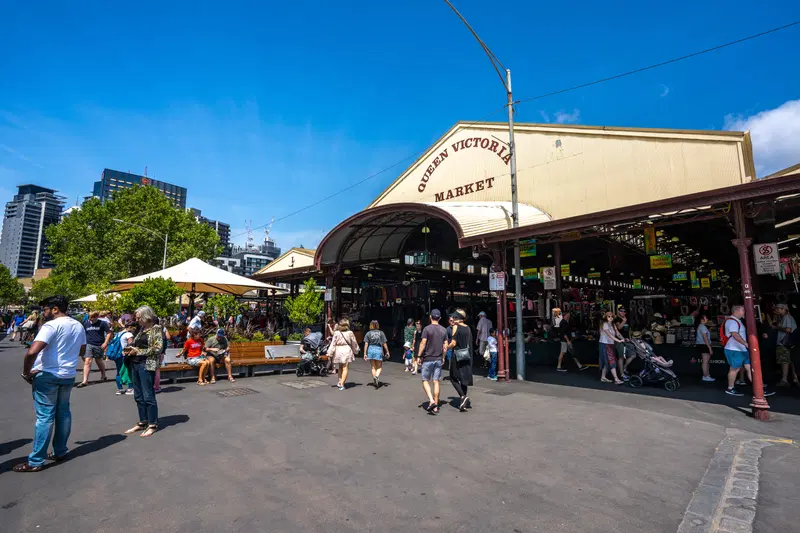
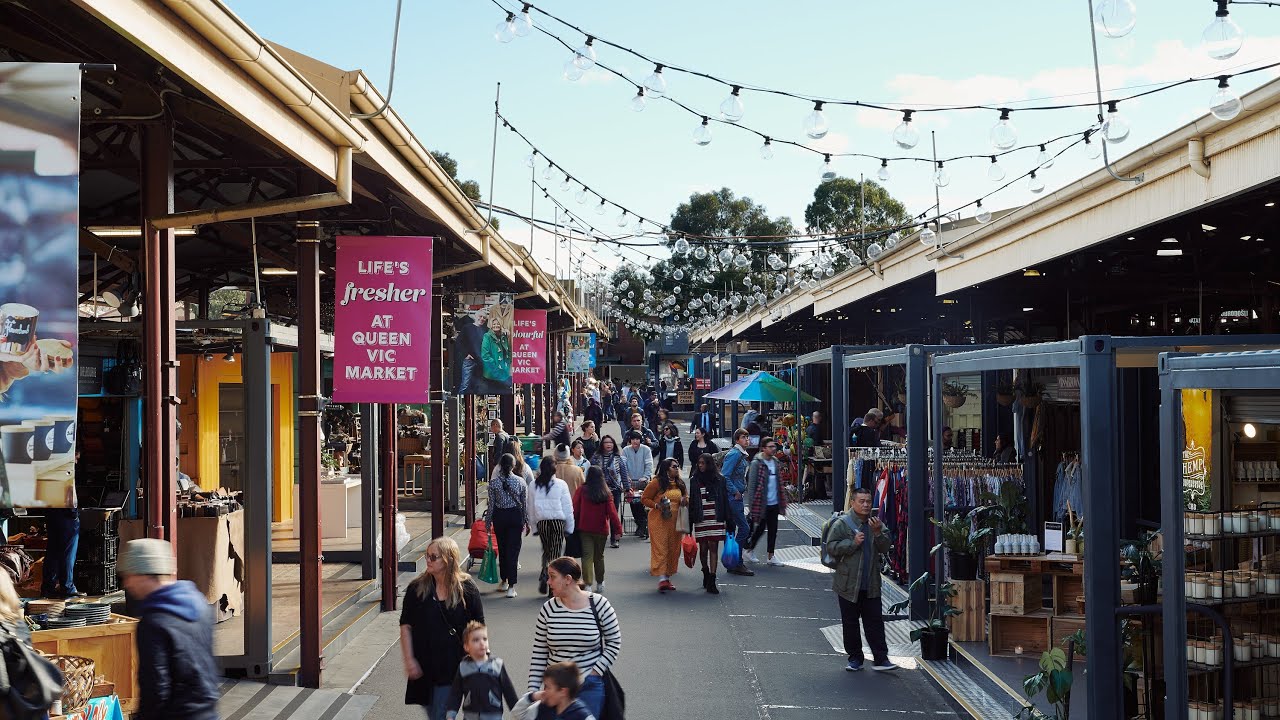
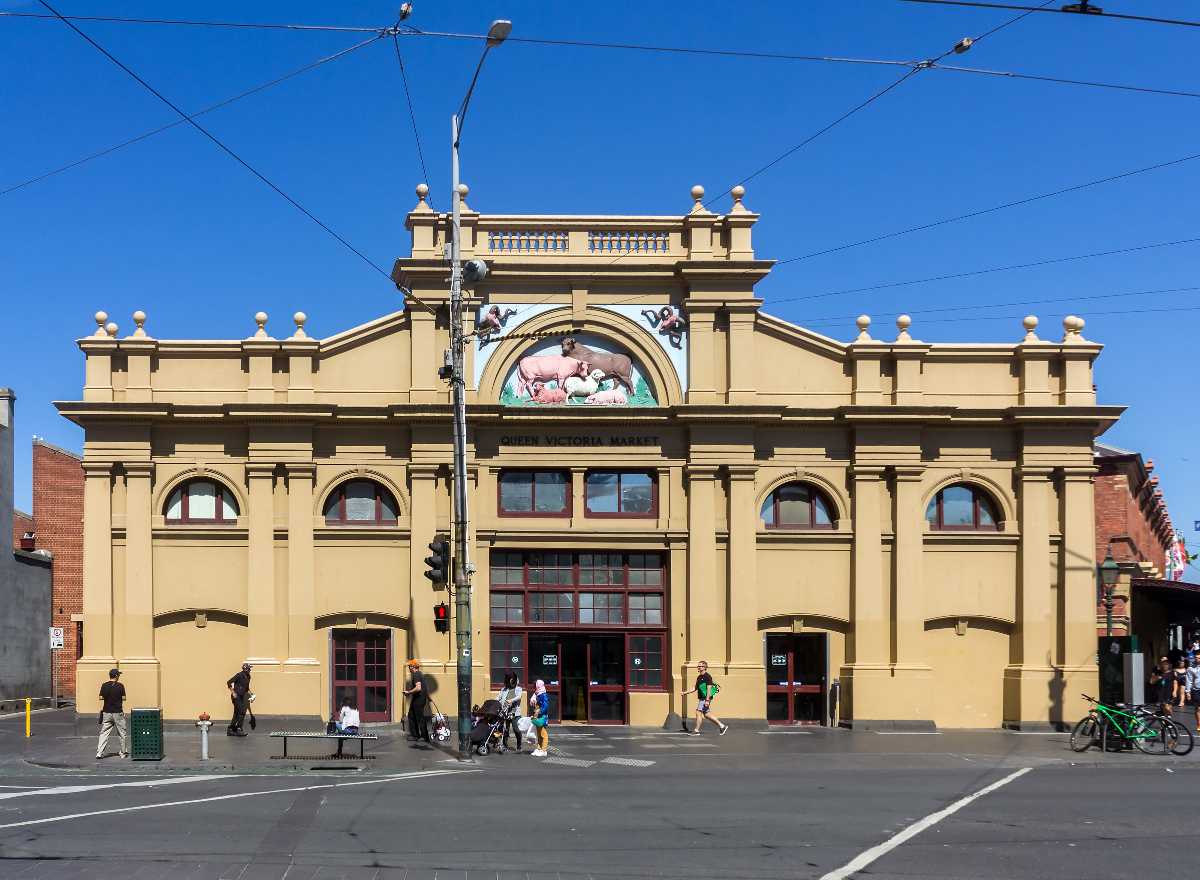
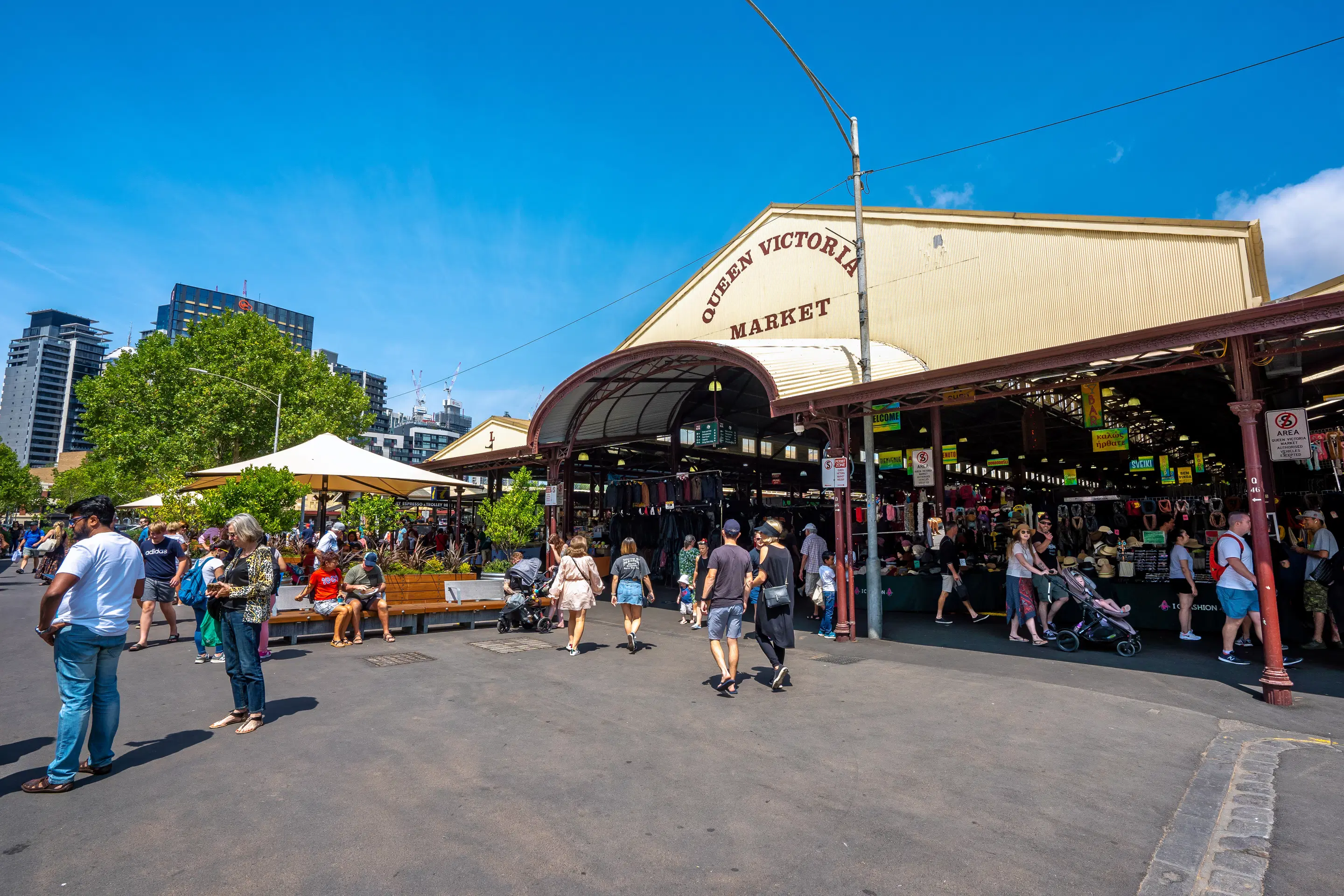
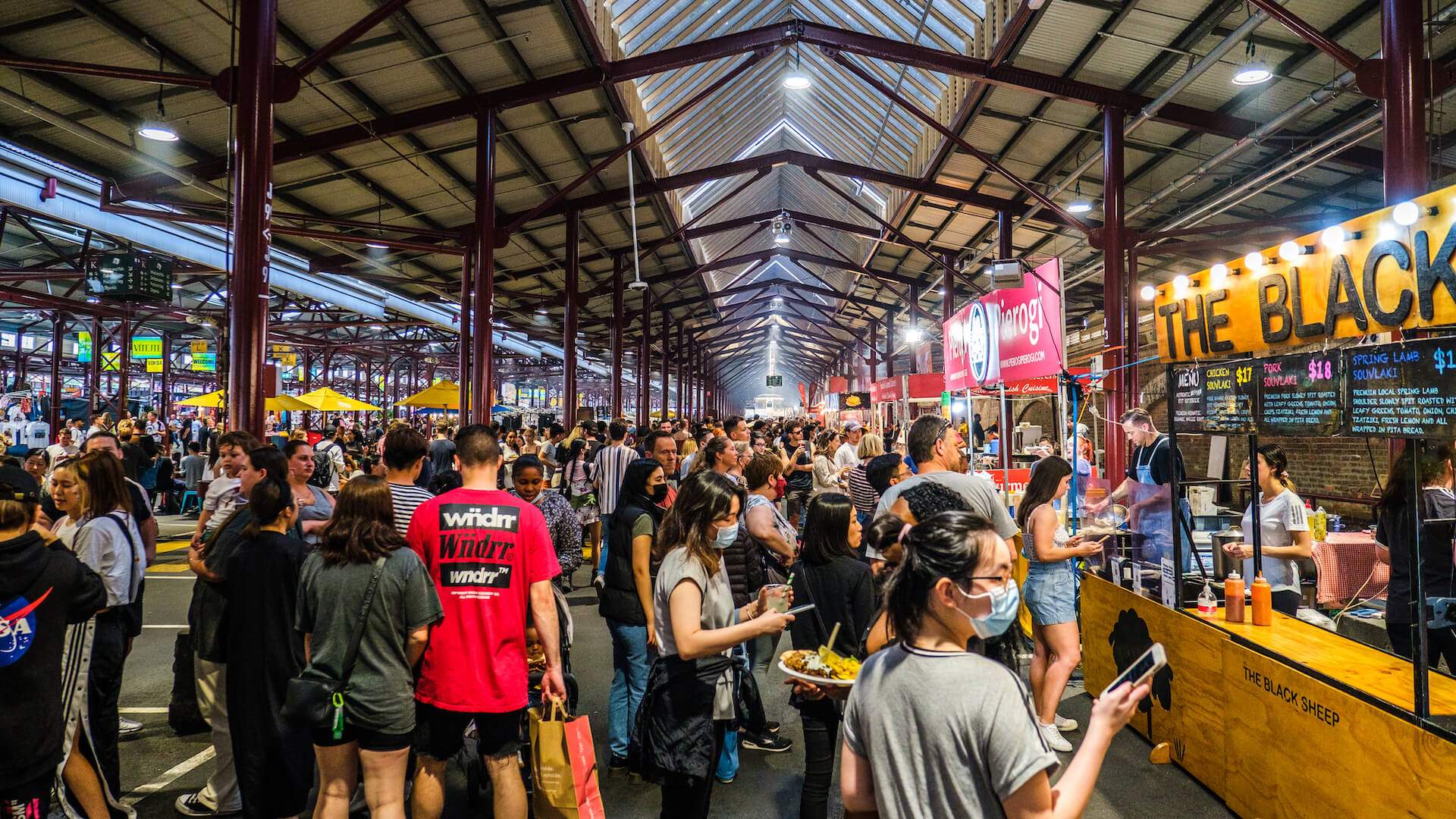
This historic market spans over 7 hectares and is the largest open-air market in the Southern Hemisphere. It serves as a focal point for many a melbourne food tour.
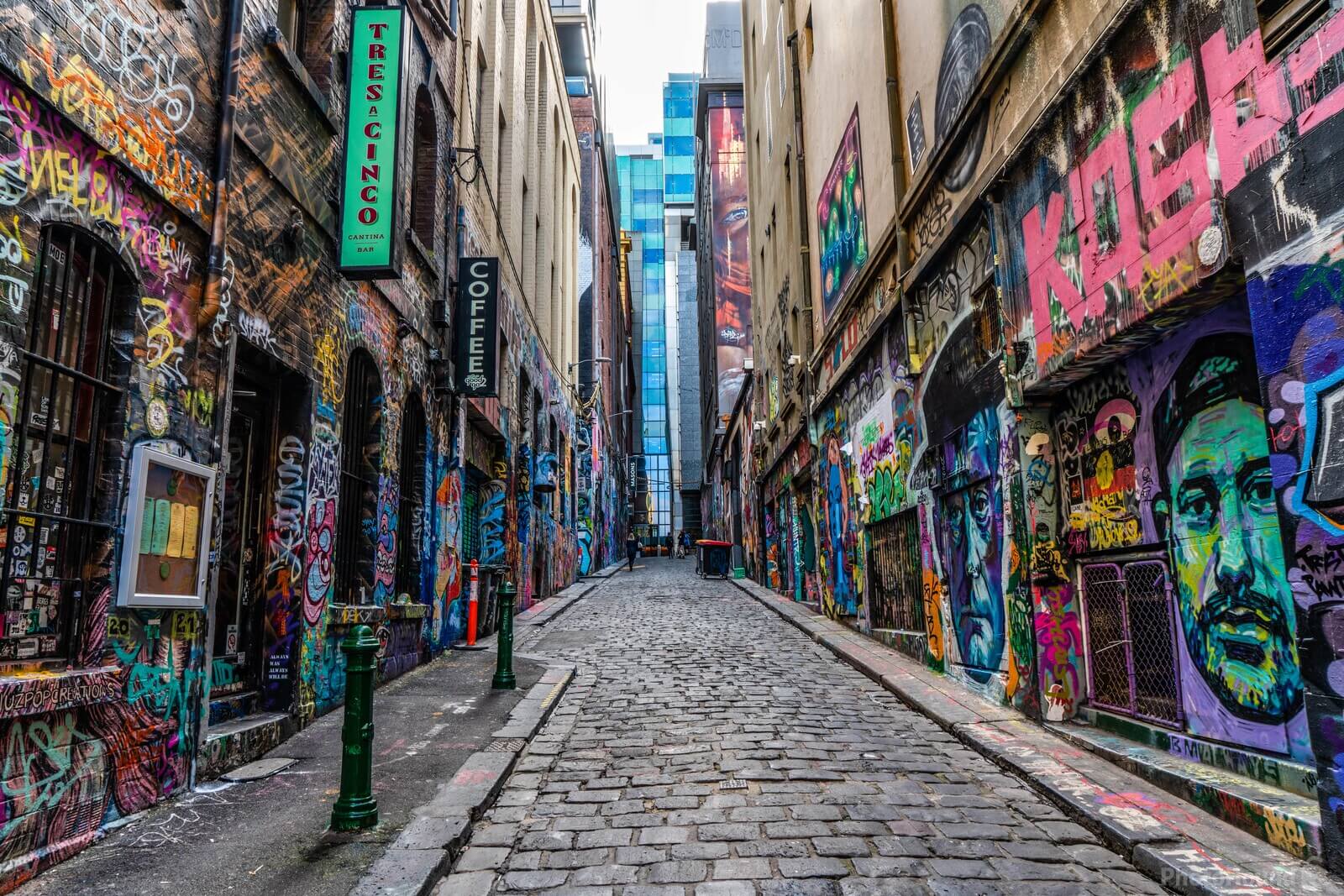
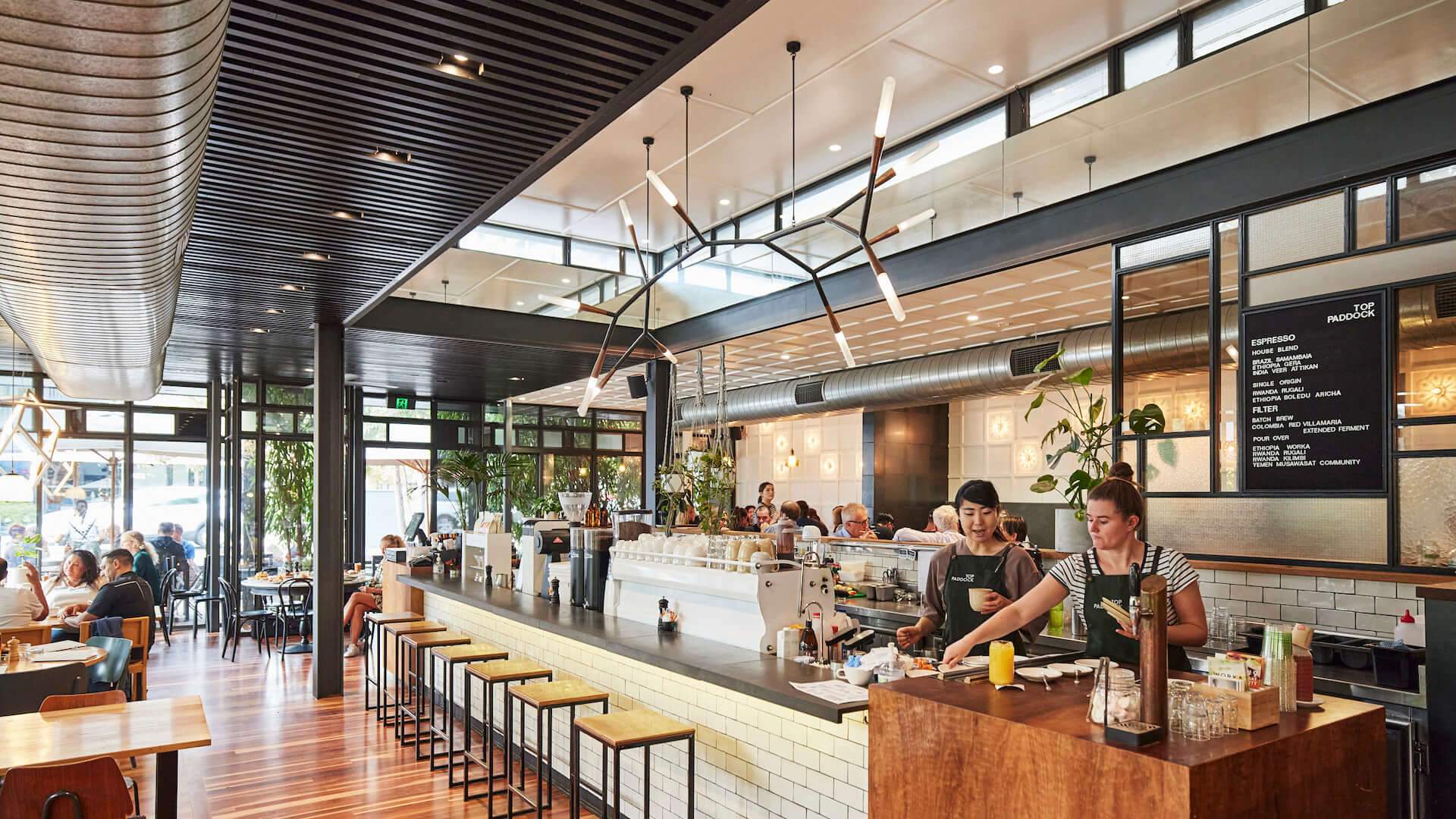
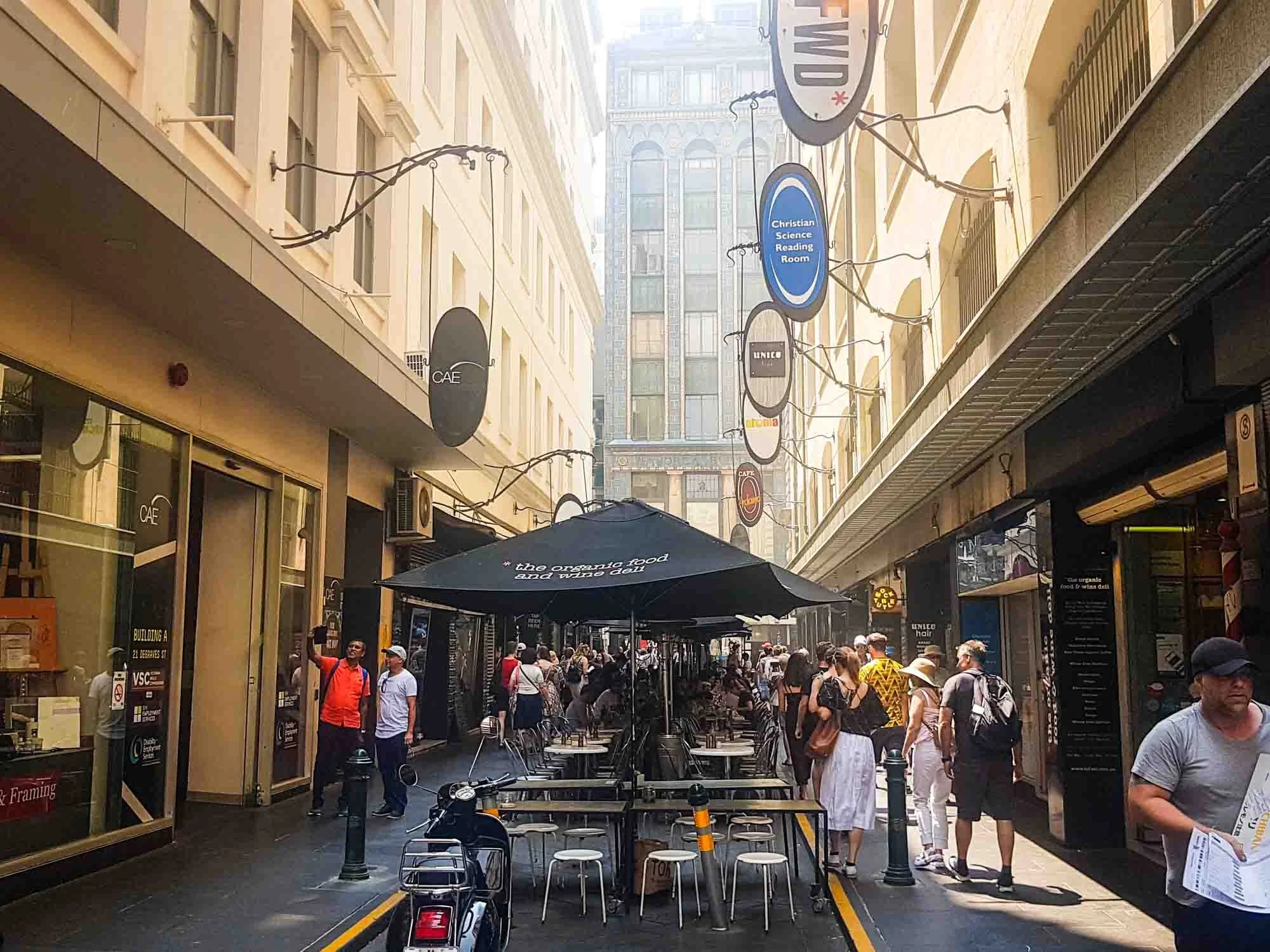
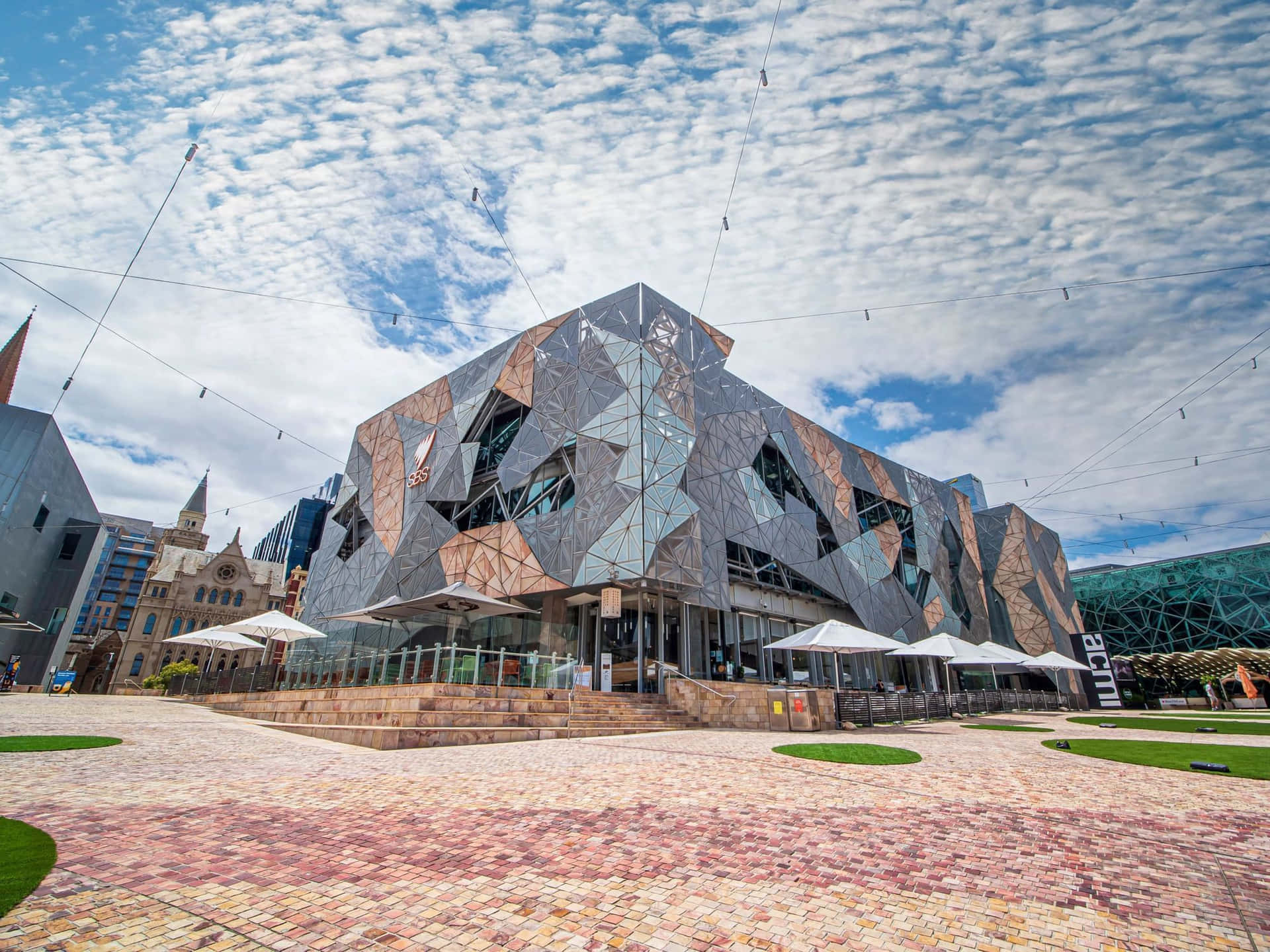
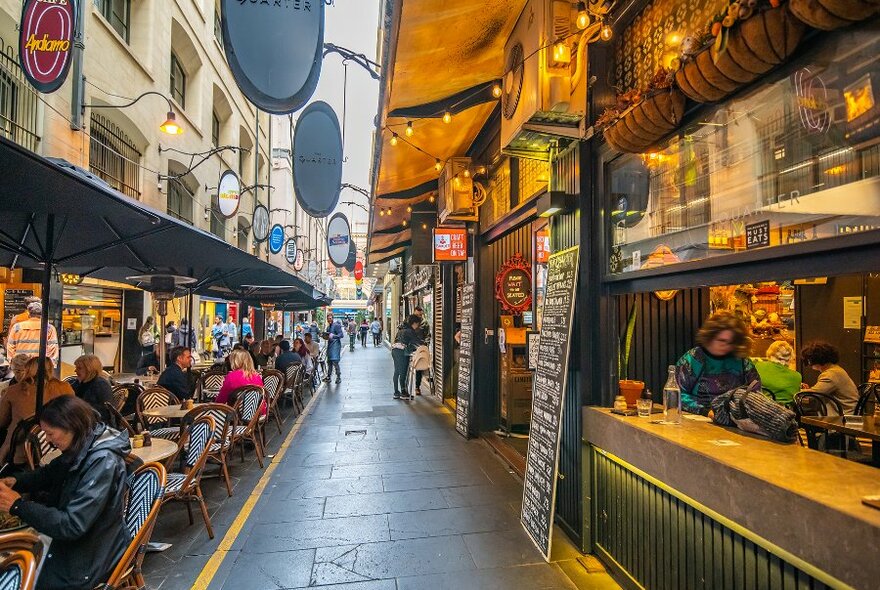
Famous for its European-style cafe culture and narrow laneway atmosphere, this is a highlight of any melbourne food tour.
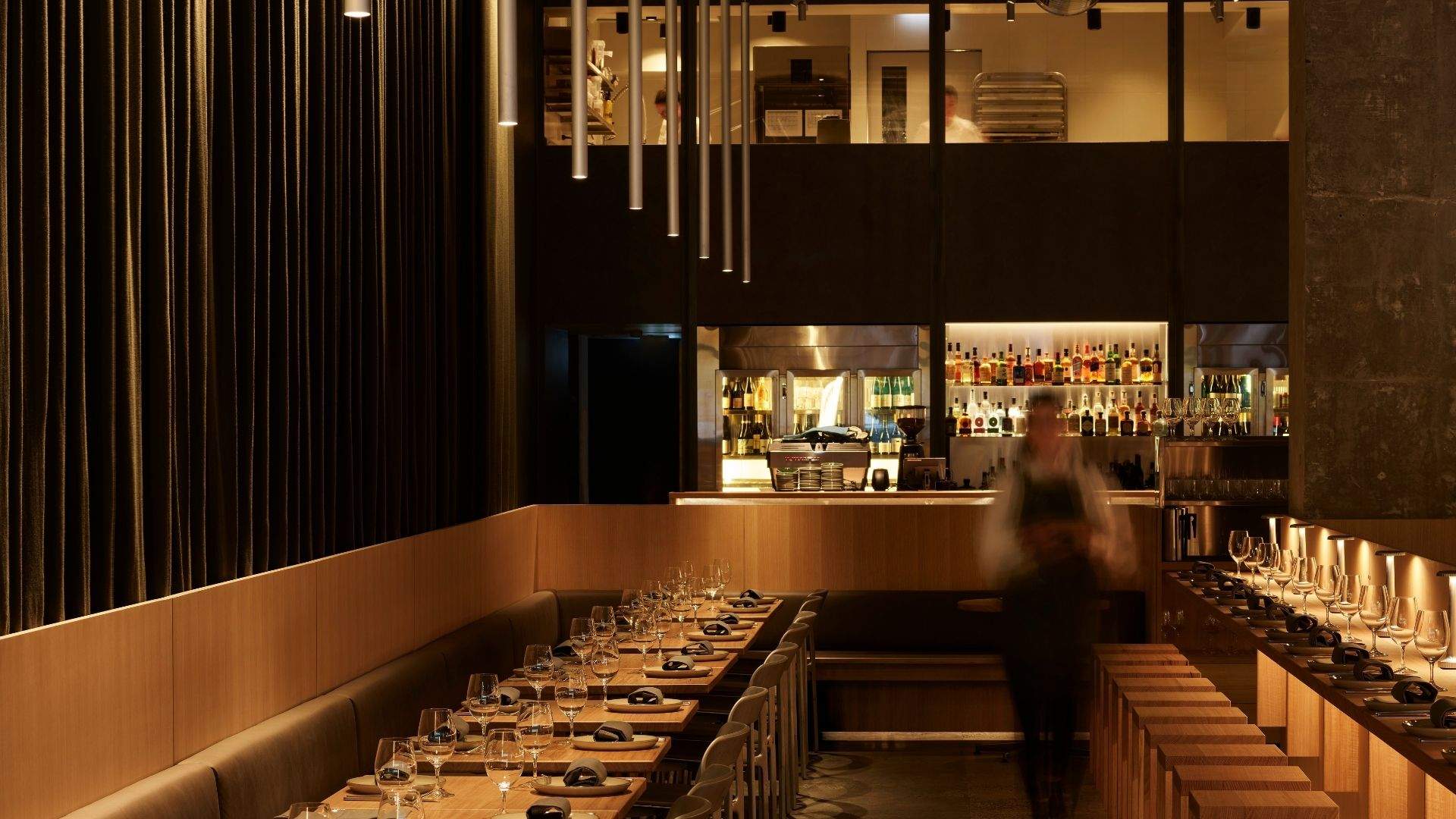
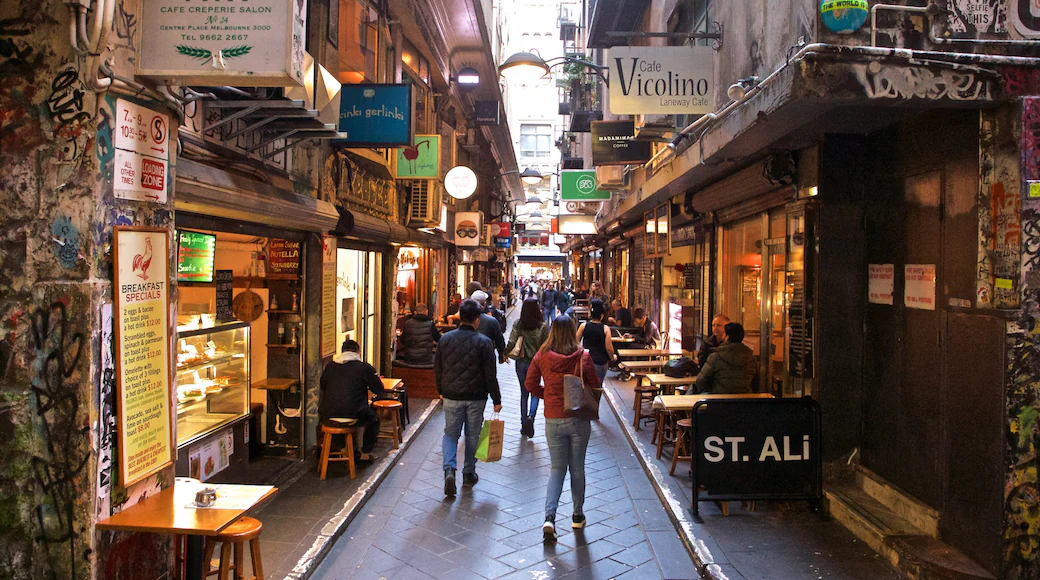
Once the rag trade district, this lane now hosts some of the most innovative restaurants in the city.
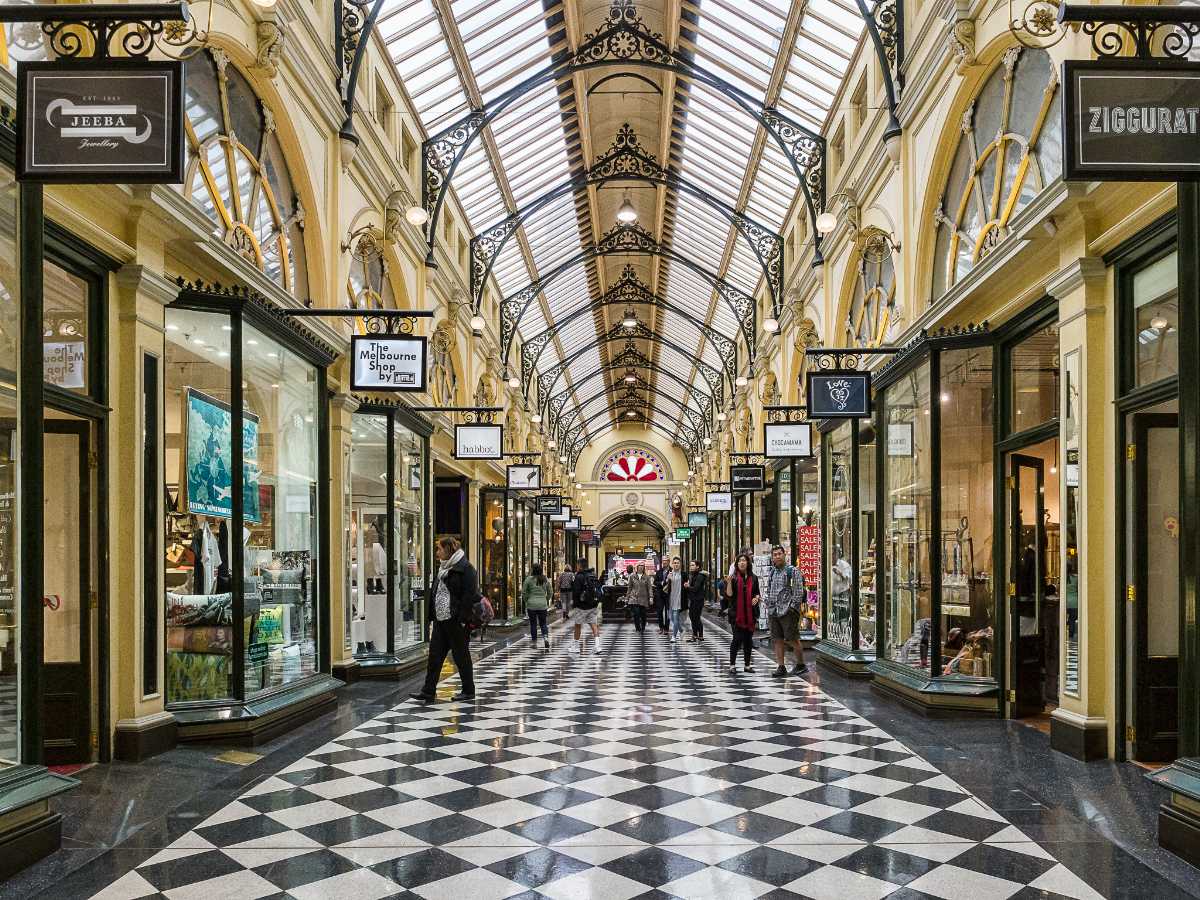
This 19th-century shopping arcade features intricate mosaic floors and grand glass ceilings.
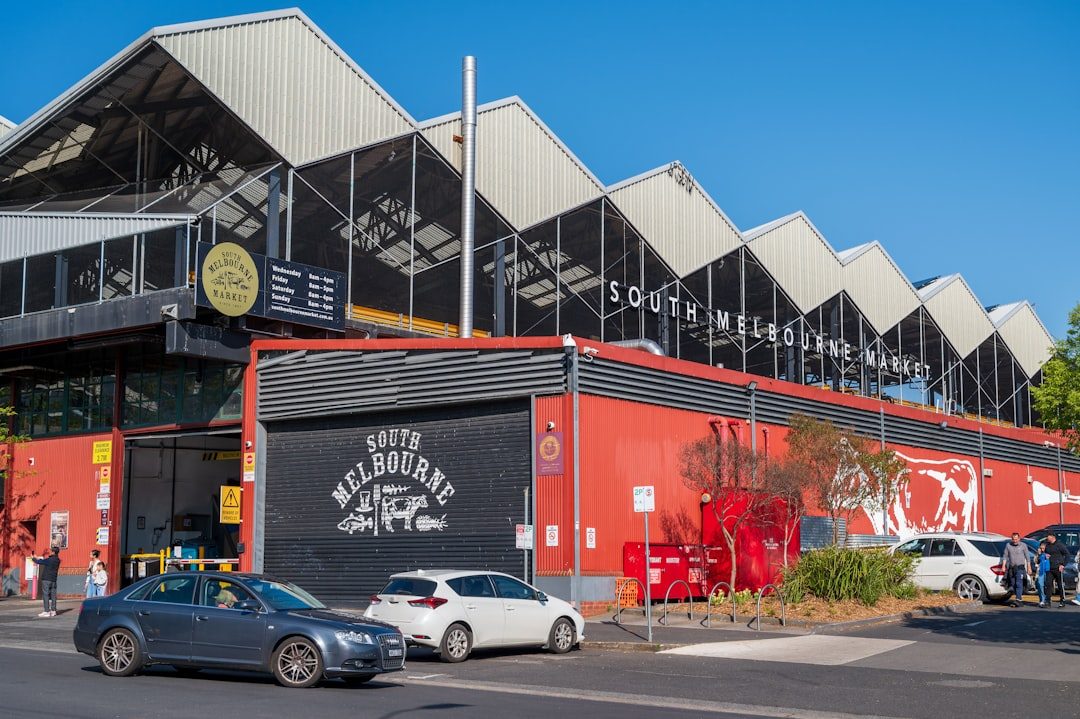
Known for its artisanal food stalls and fresh seafood, this market offers a distinct culinary experience.
Every Melbourne Food tour side-by-side — duration, what's included, how you redeem.
| Experience | Duration | Rating | Lunch | Guide | Small group | Free cancel. | Price | |
|---|---|---|---|---|---|---|---|---|
|
Guided Experience Most popular
Melbourne Foodie Discovery Walking Tour
|
3 hr | ★ 4.9 | ✓ | ✓ | ✓ | ✓ | €85 | Book → |
|
Guided Experience
Melbourne History & Donuts Walking Tour
|
2 hr 30 min | ★ 4.9 | — | ✓ | ✓ | ✓ | €82 | Book → |
|
Standard Entry
Melbourne Laneways Progressive Dinner Walk
|
3 hr | ★ 4.8 | ✓ | ✓ | ✓ | ✓ | €122 | Book → |
All prices from verified partners. Availability and exact terms confirmed at checkout.
Guided experiences offer deeper cultural insights, while the independent laneway crawl provides total freedom for those who prefer wandering Melbourne landmarks at their own pace.
| Feature | Top pick Guided Food Tour | Self-Guided Crawl |
|---|---|---|
Expert Commentary |
Local guide insights included | None provided |
Social Environment |
Group interaction with travelers | Private or social circle only |
Logistical Ease |
Fully planned routes | Requires independent navigation |
Fixed Schedule vs Flexibility |
Structured timeline | Complete self-paced control |
Curated vs Spontaneous Access |
Handpicked venues | Exploration of hidden eateries |
Cost Transparency |
All-inclusive fee | Pay per item consumed |
| See tickets → |
Verdict: A melbourne food tour provides unmatched historical context, whereas buying your own melbourne food tour tickets for a self-guided walk ensures you control the itinerary of this melbourne food tour tour.
Choose your ticket, select your date, and reserve in under two minutes. Secure checkout handled by our verified partner.
Instant confirmation by email, with a mobile voucher you can save offline. No printing, no queuing at a collection desk.
Arrive at the entrance, show your voucher on your phone, and walk in. Most tickets include priority or skip-the-line access.
Practical details for Melbourne Food tickets straight from our verified partners — hours, access, rules, and how to get there.
Corner of Swanston and Flinders St
Main visitor hub
Open in Google MapsUse the free tram zone within the CBD to reach your meeting point efficiently.
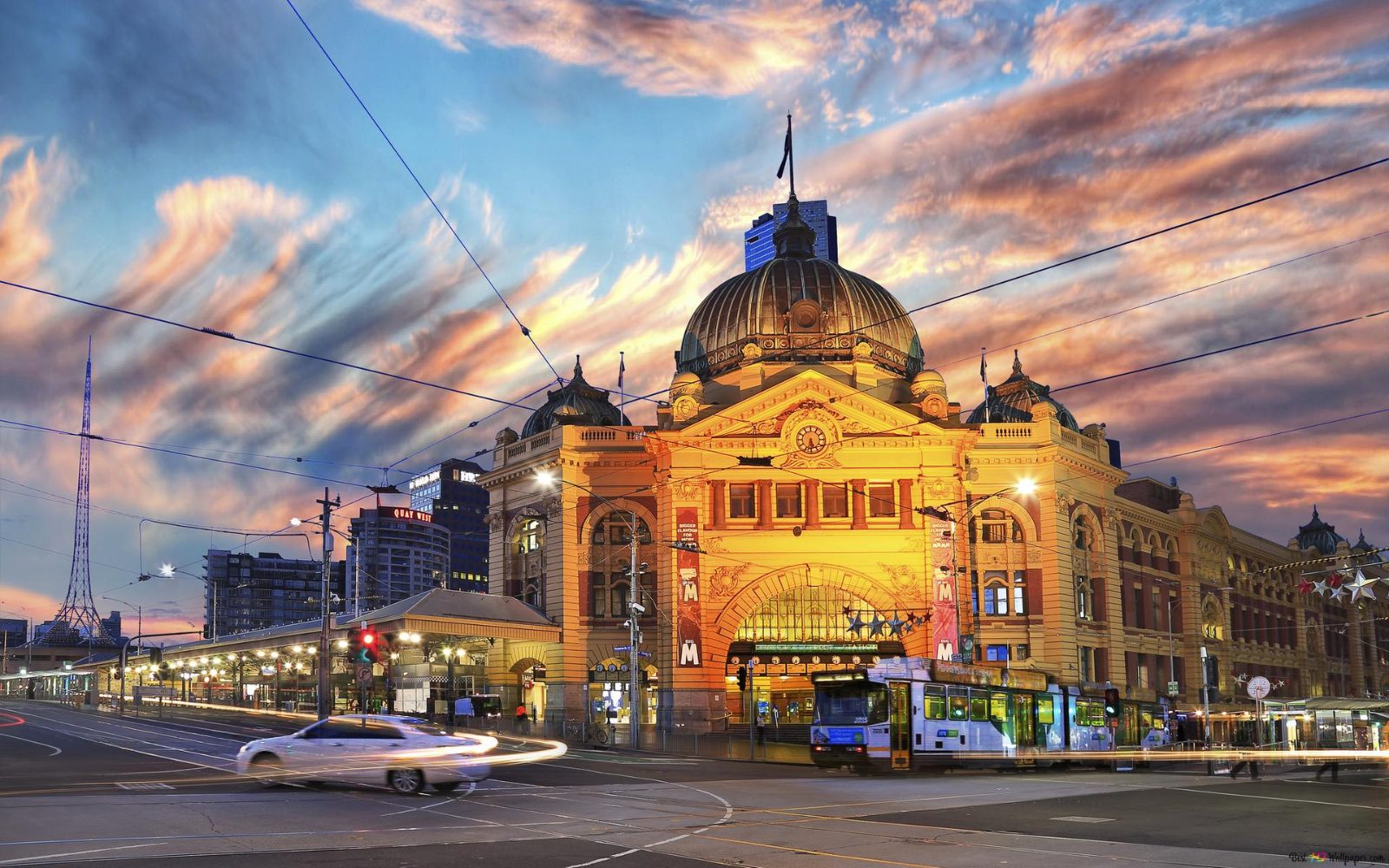
Many central locations are accessible on foot from Flinders Street Station.
Wear comfortable walking shoes and weather-appropriate clothing as many routes involve extensive walking through the Melbourne CBD.
Keep personal belongings to a minimum as storage is rarely available during a melbourne food tour.
Photography is generally permitted, though guests should respect the privacy of chefs and patrons at local eateries.
Not all venues on a melbourne food tour are wheelchair accessible due to historic building layouts in Melbourne.
Maintain mobile device volume at a low level to avoid disrupting the guide or other tour participants.
Some melbourne food tour itineraries may not be suitable for young children due to the duration and pace of the walking involved.
Most melbourne food tour experiences include multiple tastings, so notify your guide of any allergies well in advance.
Pets are prohibited on any melbourne food tour unless they are documented service animals.
Each melbourne food tour relies on seasonal produce, so menu items may change based on market availability.
Best time to go, insider tips, nearby landmarks, and the cancellation fine print — flip through to skim what matters to you.
How crowds, weather, and events shift across the year.
Mild temperatures from 15C to 20C make walking comfortable for a melbourne food tour.
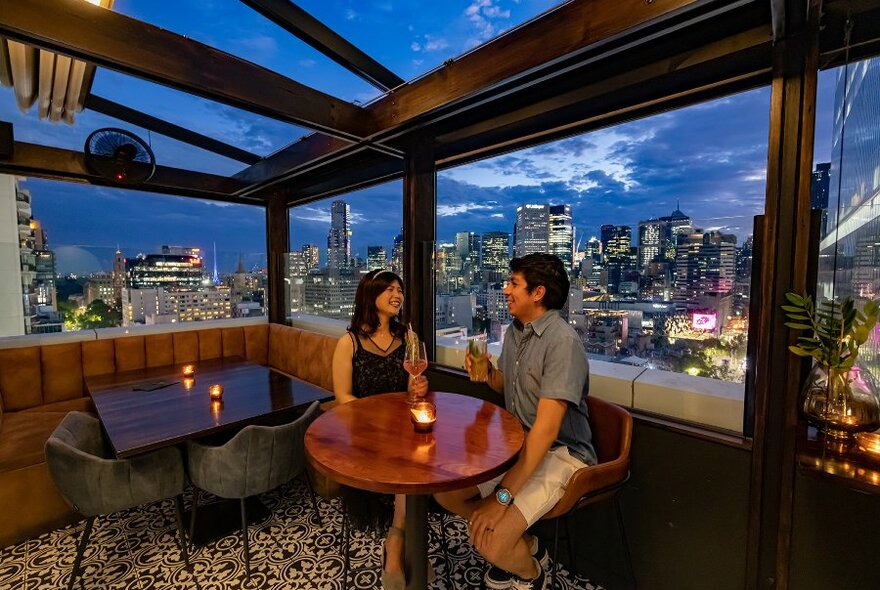
Expect peak crowds and warmer weather, ideal for evening culinary experiences.
Cooler mornings are perfect for visiting outdoor markets before they become crowded.
Indoor venues provide warmth while avoiding the Melbourne rain during your food walk.
Small details that turn a good visit into a great one.
Secure your melbourne food tour tickets weeks ahead as small group sizes fill up quickly.
Submit any restrictions when you book your melbourne food tour to ensure safe tasting options.
The Melbourne climate can change rapidly, so prepare for variable conditions during your melbourne food tour.
Choosing accommodation near the CBD makes reaching the melbourne food tour meeting point much simpler.
Avoid large meals before your melbourne food tour to fully enjoy the scheduled tastings.
Non-bookable sights within a short walk — free to visit, easy to pair.
The iconic yellow facade is a central meeting landmark for many tours.
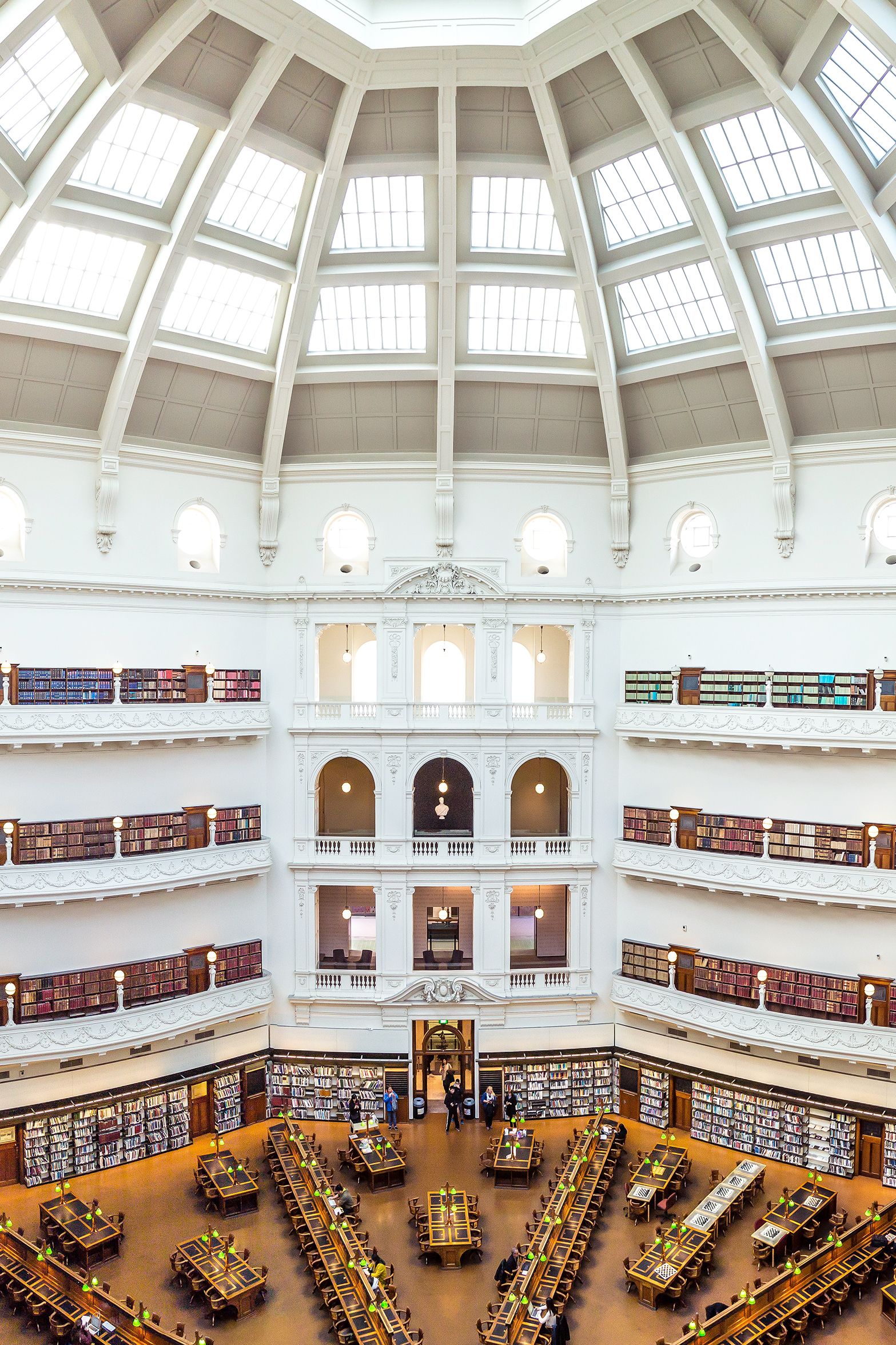
Features a historic reading room and changing cultural exhibitions.
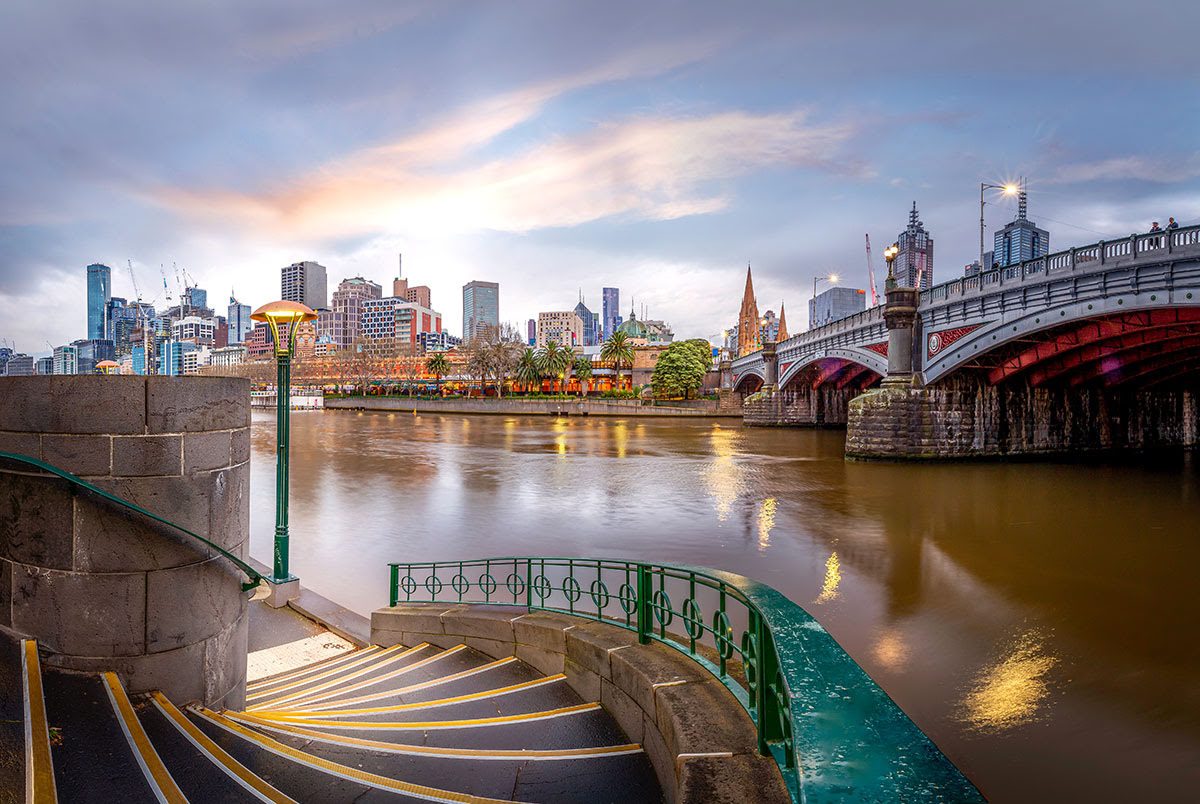
A riverside path featuring restaurants and city views.
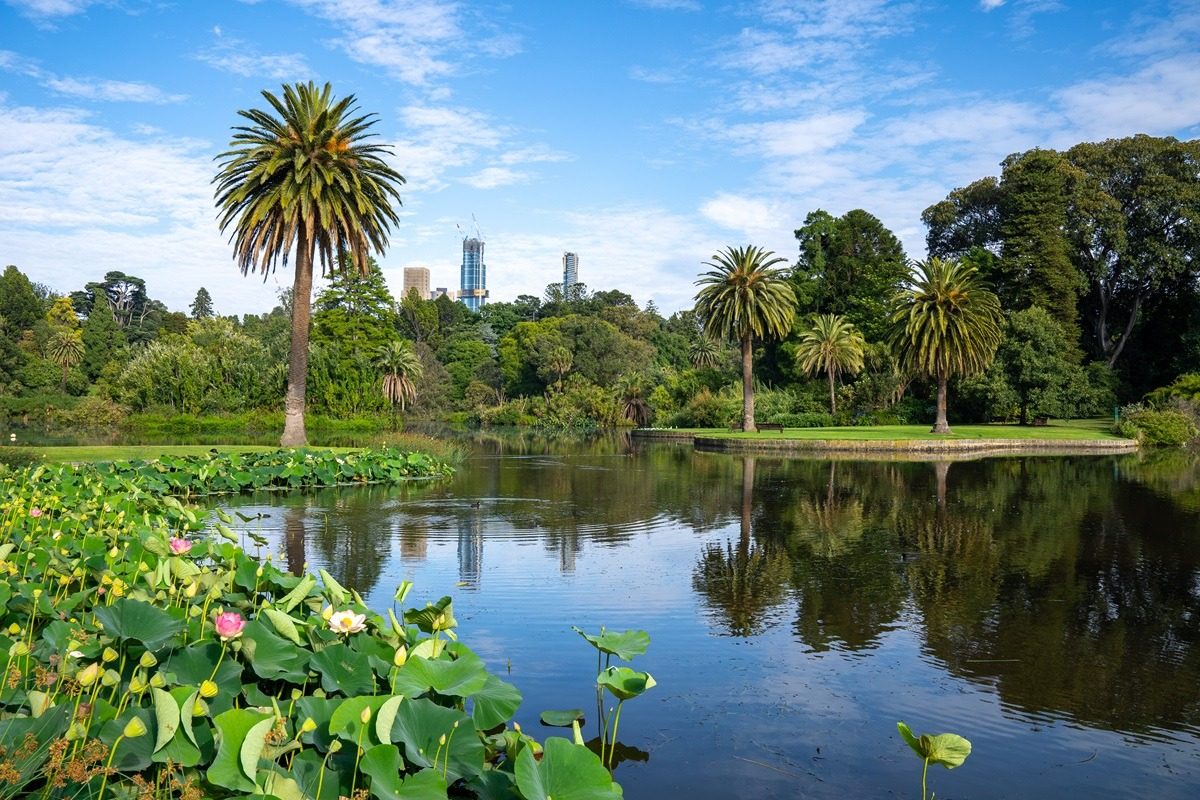
A large green space featuring diverse plant collections.
Flexible, no hidden fees.
Most operators require cancellation at least 24 to 48 hours in advance for a full refund. The 0 AUD entrance fee does not apply as these are private service products.
Hand-picked options within walking distance — pick a district for vibe, or a specific hotel for convenience.
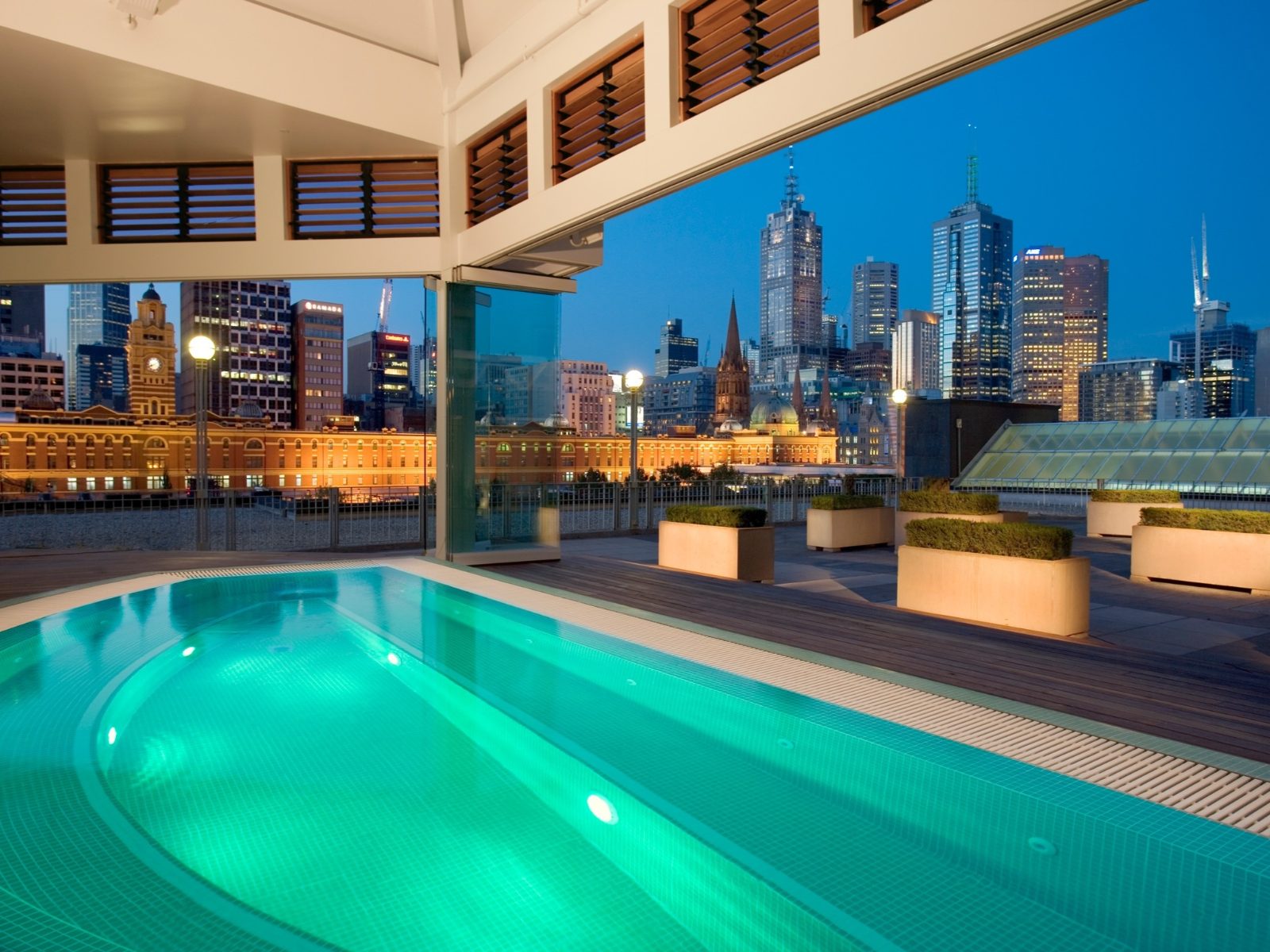
Luxury hotels are abundant throughout the central business district.
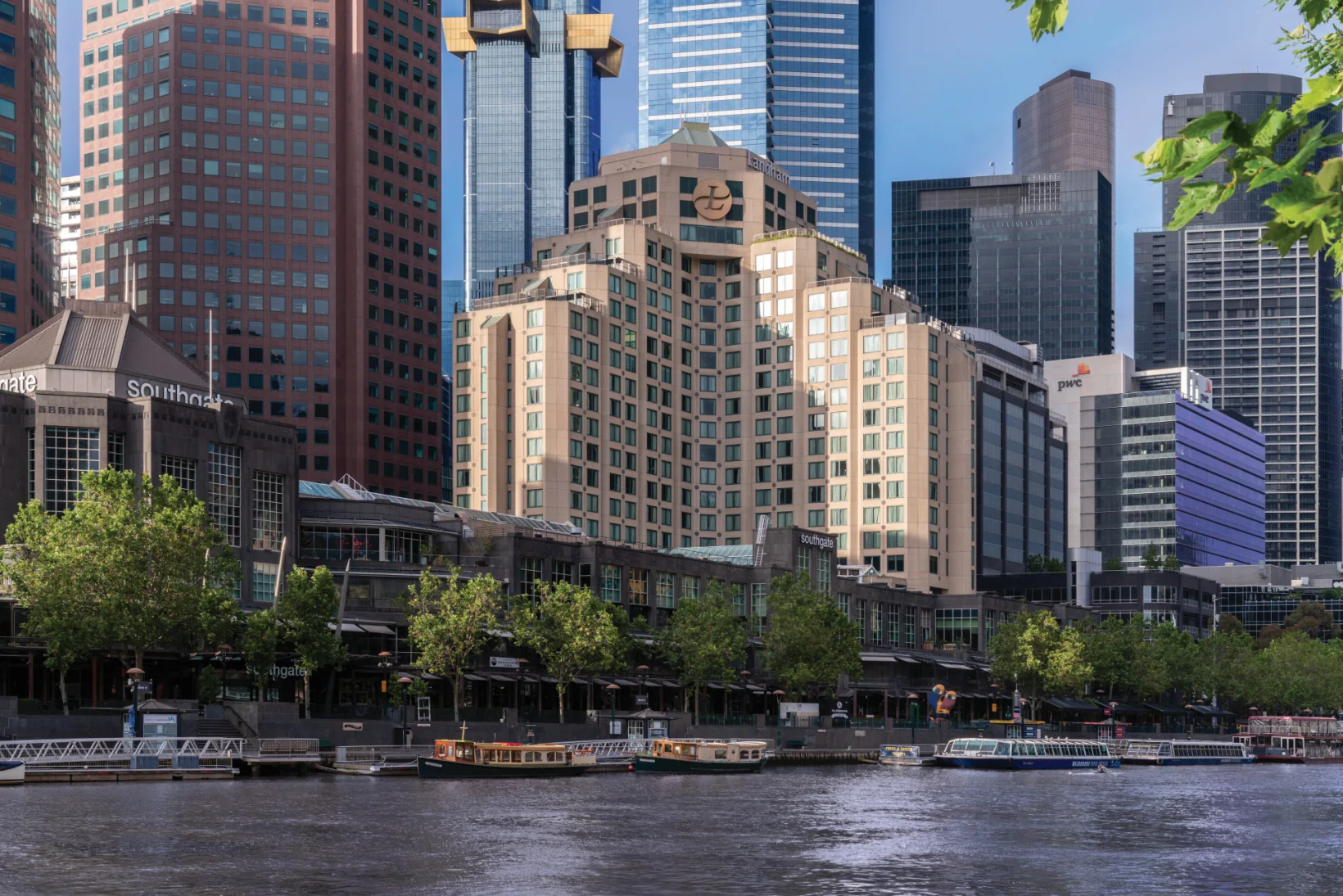
Area known for riverside lodging and proximity to dining hubs.
Modern waterfront lodging near the harbor area.
Melbourne's food culture took root not in grand dining rooms but in narrow bluestone lanes barely wide enough for a horse cart, where Italian migrants opened espresso bars in the 1950s and Greek families ran milk bars until midnight.
By the 1980s, Vietnamese refugees had claimed Victoria Street in Richmond, Lebanese bakers were firing manoush ovens in Coburg, and the inner-city laneways—once service alleys for the Myer and Georges department stores—had become a lattice of cafés, wine bars, and hole-in-the-wall dumpling kitchens. Today those same cobbled passages hold more than two hundred licensed venues within a single square kilometre of the CBD, making Melbourne's laneway density higher than Barcelona's Gothic Quarter and far more eclectic in its culinary range.
A Melbourne foodie tour threads that density into a navigable narrative, typically starting at Queen Victoria Market where stallholders have sold Tasmanian oysters, Gippsland cheeses, and Yarra Valley stone fruit since 1878. The market's iron-framed sheds remain the southern hemisphere's largest open-air trading hall, and guides use the morning produce auctions as a live primer on seasonality—why blood oranges appear in July, why asparagus peaks in October, and why the King Island dairy cooperative ships its cream in refrigerated trucks every Tuesday and Friday. From the market, routes diverge: some curl south into the Greek precinct along Lonsdale Street, where third-generation bakers still make koulouri by hand and serve it with strained yoghurt and Kalamata olives; others cut east through Chinatown's dim sum parlours and then north into the Italian belt of Lygon Street, where nonnas in Carlton roll gnocchi every Thursday and hang it on wooden racks to dry.
The walks reveal infrastructure as much as flavour. Guides point out the bluestone water channels that once drained the Yarra's flood plain, the cast-iron verandahs that kept nineteenth-century pedestrians dry, and the art-deco façades that survived the 1980s demolition wave only because the heritage lobby chained themselves to the scaffolding. They explain why Melbourne's coffee is reliably excellent—Italian espresso machines arrived early, and the city's soft water needs less descaling—and why the restaurant scene skews toward small, owner-operated venues rather than chains: commercial rents in the laneways stayed low because the alleys were never designed for foot traffic, so young chefs could afford the risk. Melbourne food tours operate year-round, though the best access to fresh market produce and active local eateries falls between nine in the morning and five in the afternoon, when stallholders are restocking and bakers are pulling the second round of sourdough from the ovens.

"Melbourne's laneway density holds more than two hundred licensed venues within a single square kilometre, making its culinary concentration higher than Barcelona's Gothic Quarter."
A step-by-step walkthrough of Melbourne Food tickets — what you'll see, how long each stage takes, and the details that matter.
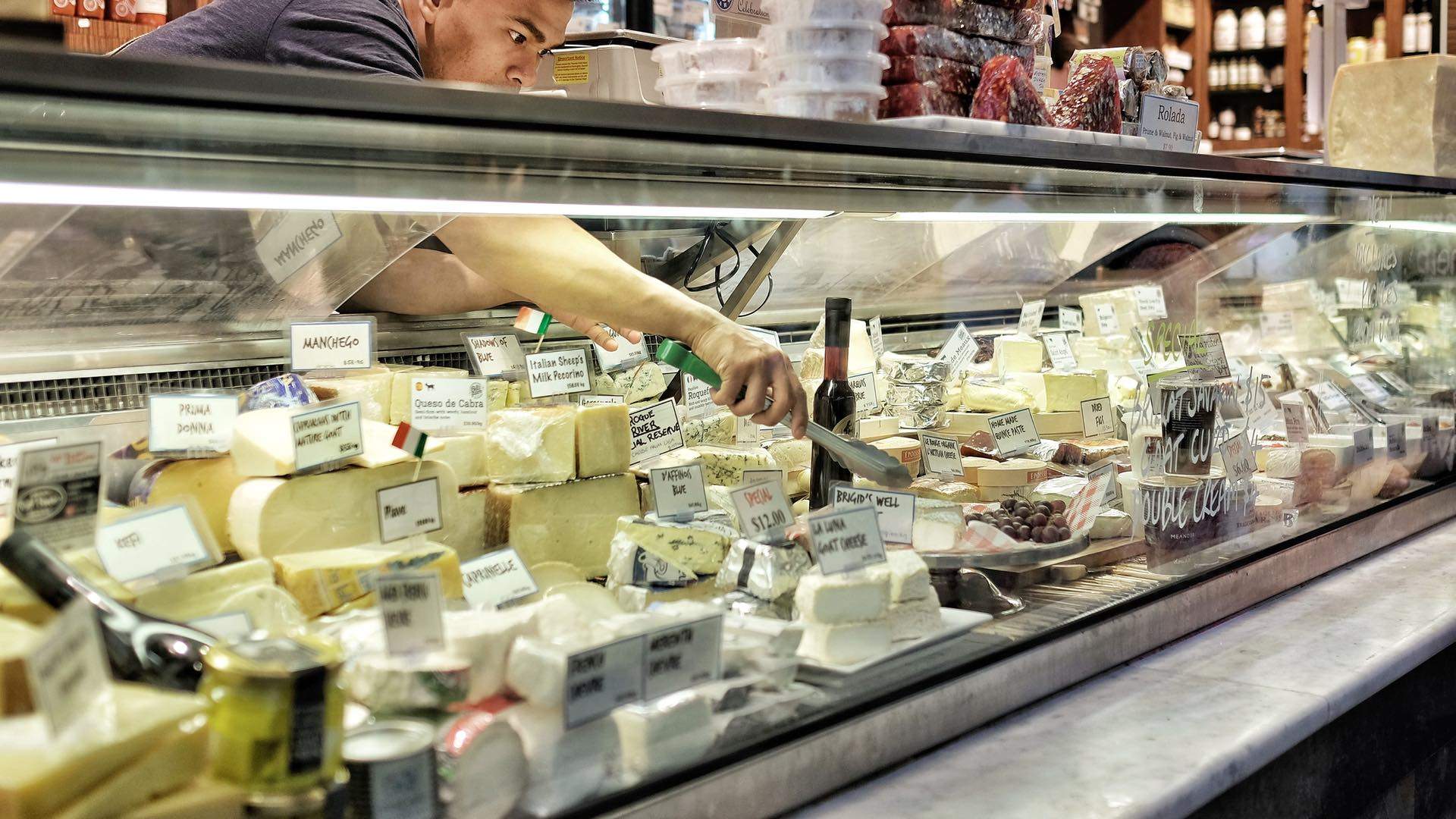
You meet your guide at the northern edge of Queen Victoria Market, where the fish vendors are hosing down their stalls and the cheese sellers are cutting samples of cloth-wrapped cheddar.
Your first stop is a Tasmanian oyster stall; the guide orders a dozen Pacific oysters on ice, shows you how to check for freshness by smell, and explains why the cold Southern Ocean yields a cleaner brine than warmer northern waters. You taste three cheeses from Gippsland—a washed-rind, a blue, and a hard alpine-style—while the stallholder describes the pasture rotation that gives each its grassy finish.
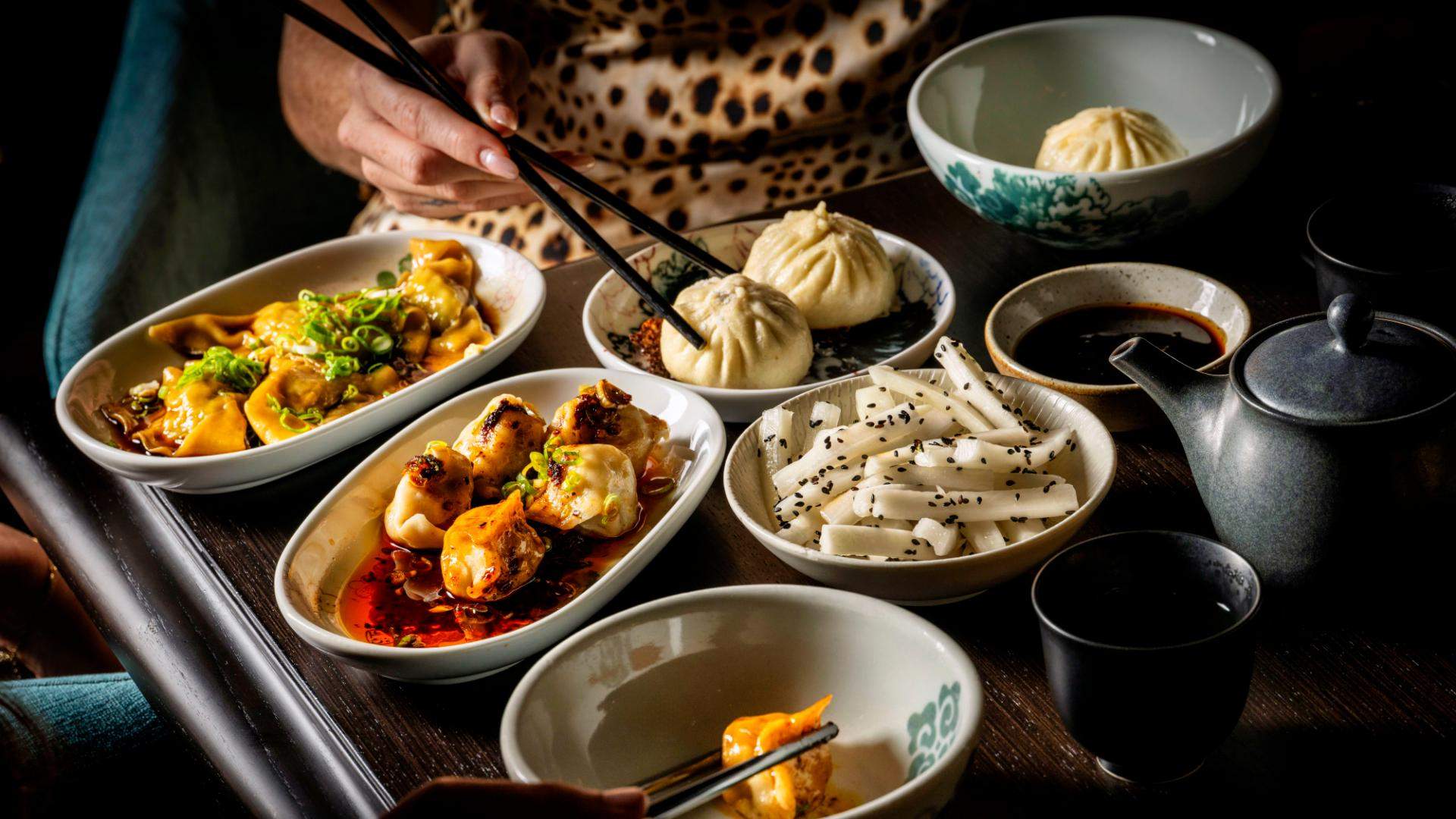
From the market you walk south through Swanston Street and turn into a bluestone laneway barely three metres wide. The guide stops at a corner café where the barista is pulling shots on a vintage Faema machine, and you drink a piccolo latte while standing at the marble counter. Two blocks east you enter a dim sum parlour in Chinatown; the guide orders har gow, siu mai, and turnip cake, and you eat them with jasmine tea served in handleless cups. The final stop is a gelateria in a converted warehouse, where the owner makes stracciatella and pistachio gelato every morning using Sicilian recipes his grandmother wrote in a school exercise book in 1954. You leave with the guide's printed map of twenty additional venues, all within a fifteen-minute walk of Flinders Street Station.
Refund policies for melbourne food tour tours depend on the provider, usually requiring 24-48 hours notice.
While tour operators have varying schedules, the best arrival window for activities is 09:00–17:00.
Family suitability for a melbourne food tour depends on the specific route and the age of the children.
Photography is generally permitted on a melbourne food tour, provided you respect the privacy of the venues.
Bring comfortable walking shoes and water for your melbourne food tour adventure.
Accessibility varies, so check the specific details for your melbourne food tour before purchasing tickets.
Most meeting points for a melbourne food tour are accessible via the free tram zone in Melbourne CBD.
There is a 0 AUD entrance fee, as these are private service products separate from public landmarks.
The best time for a melbourne food tour is during the 09:00–17:00 window to access fresh market produce.
Yes, you can easily visit nearby landmarks like Federation Square after your melbourne food tour.