
English| EUR
Suggested for you
More currencies
Choose a language
Melbourne's food reputation spans from the flat white it claims to have perfected to the Greek souvlaki its immigrants made iconic. The city built its culinary identity on laneway coffee culture, multicultural cooking, and a farm-to-table ethic anchored by Queen Victoria Market. This guide breaks down the signature dishes, ingredients, and food traditions that put Melbourne on the global gastronomic map.
Quick answer
Melbourne is famous for its flat white coffee, meat pies, Greek souvlaki, Vietnamese pho, laneway café culture, and the produce-driven cooking sourced from Queen Victoria Market. The city pioneered modern coffee standards across Australia and became a global café capital through espresso bars that opened in the 1950s. Its multicultural wave brought Greek, Italian, Vietnamese, and Chinese cuisines that now define the city's eating habits as much as any Anglo-Australian tradition.
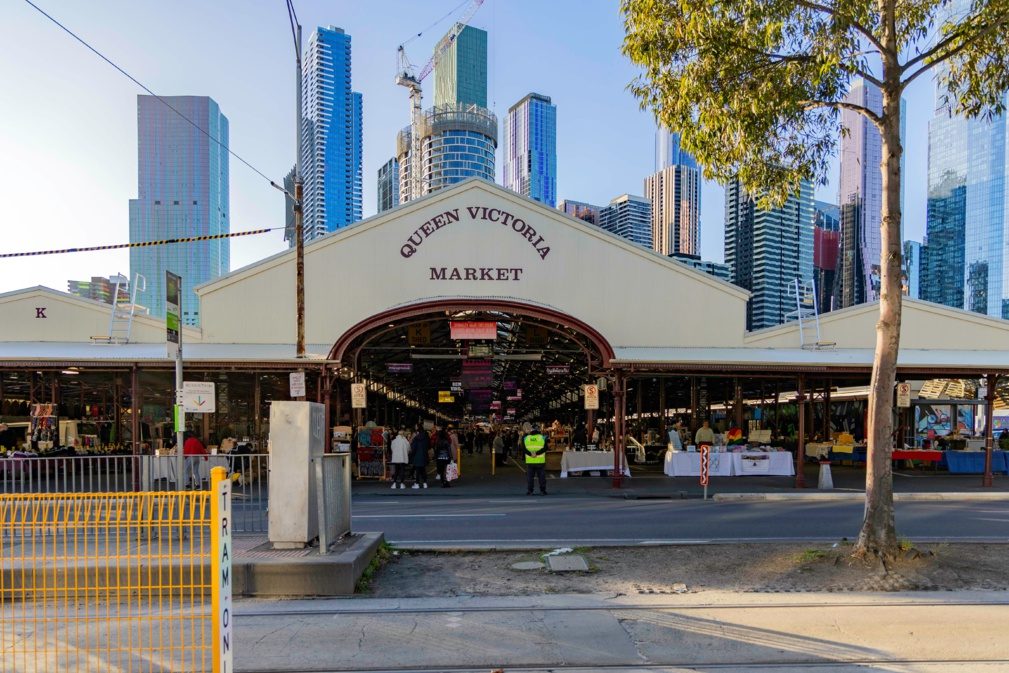
Melbourne's flat white predates the term itself by nearly two decades. Espresso bars run by Italian and Greek immigrants in the 1950s served short milk-based coffees that eventually became the city's signature drink, exported worldwide as the flat white by the 1980s. No other Australian city claims coffee culture with the same intensity—laneway cafés, third-wave roasters, and barista competitions all center here. What food is melbourne famous for extends beyond coffee into the city's immigrant-driven dining economy. Greek souvlaki arrived with postwar migration and became a late-night staple across suburbs like Oakleigh and South Melbourne. Vietnamese pho followed in the 1970s, concentrated in Footscray and Richmond, where multilingual signage and bánh mì bakeries still anchor entire blocks. Italian pizza, Chinese yum cha, and Lebanese manoush each carved out their own neighborhoods, but the city never segregated its eating—fusion and cross-pollination define Melbourne's food vocabulary more than purity. Queen Victoria Market supplies the raw ingredients that define Melbourne's culinary reputation. Open since 1878, the market spans two hectares and draws chefs, home cooks, and food vendors who build menus around its seasonal produce. Early morning arrival ensures access to heirloom tomatoes, grass-fed beef, and artisan cheeses before the crowds arrive. The market's deli hall carries smallgoods from European traditions—kransky, mortadella, prosciutto—that shape the city's sandwich and charcuterie culture. Melbourne's famous food is less about a single dish than a layered food culture built on migration, coffee obsession, and market-driven cooking. The city's meat pie remains an Anglo-Australian holdover, sold at every bakery and football match, but it shares space with dumplings, ramen, and Middle Eastern mezze. No cuisine dominates; the city's identity lies in the density and quality of its eating options, from laneway espresso bars to the sprawling aisles of Queen Victoria Market where the ingredients for every tradition sit side by side.
“Melbourne's food identity lies not in a single dish but in the density and quality of its multicultural eating options, anchored by market produce and laneway coffee culture.”
Melbourne is defined by its multicultural food heritage, ranging from sophisticated coffee culture and brunch institutions to bustling markets and vibrant Asian dining precincts. Visitors can experience the city's culinary history through these iconic hubs.
market
This historic destination at Queen St, Melbourne VIC 3000, Australia, offers fresh produce, local delicacies, and global street food options. It is a central point for experiencing Melbourne's diverse food scene.
restaurant
A historic laneway in the city center known for its outdoor dining culture and variety of European-style restaurants. It serves as a contrast to the bustling market atmosphere.
street
Located along Little Bourke Street, this district is the hub for authentic dim sum and regional Chinese cuisine. It represents the city's long-standing connection to East Asian culinary traditions.
café
A famous pedestrian laneway near Flinders Street Station celebrated for its dense concentration of coffee shops and brunch spots. It is a primary location to observe the local coffee culture.
The best time to experience Melbourne's food scene is during the shoulder seasons of autumn and spring, combined with an early morning visit to Queen Victoria Market. Arriving between 06:00–10:00 ensures the freshest selection of produce and coffee while avoiding peak weekend crowds.
—
This is the best arrival window to enjoy a quiet atmosphere and secure the freshest produce.
Mild with temperatures 14°C–20°C
Autumn features the Melbourne Food and Wine Festival, showcasing local dining diversity.
Cool with temperatures 12°C–19°C
Spring offers pleasant conditions for outdoor dining and seasonal market harvests.
Warm with temperatures 15°C–26°C
Extended daylight hours facilitate evening market visits and outdoor eating.
Verdict: The optimal experience is Tuesday to Thursday between 06:00–10:00 during the months of April or October.
Queen Victoria Market operates six days a week, with extended evening hours on Fridays. Please note the market is closed on Mondays and Wednesdays.
Queen Victoria Market is located at Queen St, Melbourne VIC 3000, Australia, and is well-connected by the city's public transport network. The most convenient approach for visitors is via the free tram zone or a short walk from Melbourne Central Station.
Melbourne Central Station (City Loop)
Routes 19, 58, 59 to Elizabeth St/Victoria St
Routes 220, 232, 235 to Queen St
Parking available via Queen St or Franklin St
The best arrival window is 06:00–10:00 to avoid peak weekend crowds and ensure the freshest selection of produce and coffee.
Everything you need to know about what food is melbourne famous for
A common mistake is arriving too late in the day when popular stalls may have sold out of their freshest items. To fully appreciate the quality of local ingredients, plan your visit during the recommended morning arrival window. Checking the schedule ensures you do not miss the chance to experience the best of the city's food culture.
Melbourne Foodie Discovery Tour
Read more GuideMelbourne Food Events Guide
Read more Tickets & toursMelbourne Food Walking Tours
Read more Tickets & toursMelbourne Laneway Food Tours
Read more Tickets & toursMelbourne Food and Wine Tours
Read more Tickets & toursMelbourne CBD Food Tours
Read more